

What if the secret to a fresher, cleaner home was sitting in your pantry the whole time? Distilled white vinegar may not look like much, but its acetic acid content makes it a natural powerhouse. It cuts grease, lifts stains, and chases away stubborn odors without the chemical smell left behind by other cleaners.
In Atlanta homes, where sticky humidity and hard water stains are part of daily life, this one bottle can take on more messes than you’d expect. Forget overpriced sprays that crowd the cleaning aisle; vinegar has been proving its worth for generations.
The best part? You don’t need to be a scientist to make it work. A splash here, a spray there, and suddenly your home feels lighter. Curious how this simple liquid can outshine commercial products? Let’s get into the details.
Why Vinegar Works as a Cleaner?
Vinegar has become a trusted option for cleaning purposes because it combines strong cleaning power with simplicity. Its natural acidity makes it versatile enough to handle everyday messes while staying generally safe for most household surfaces. Here’s how it works inside your home:
- Antibacterial properties: The acetic acid in distilled white vinegar helps kill common household bacteria on non-porous surfaces like sinks and countertops, making it a practical sanitizer.
- Deodorizing power: A spray bottle filled with diluted white vinegar can neutralize cooking odors, pet smells, and mildew. Unlike chemical cleaners, it removes the source of the odor instead of covering it up.
- Breaks down mineral deposits: Hard water stains and soap residue are common in Atlanta homes. Vinegar dissolves limescale on glass surfaces, shower doors, and fixtures, especially when paired with a microfiber cloth.
Mild acidic nature: Vinegar is gentle compared to harsh chemicals yet strong enough to cut through grease, loosen grime, and reduce mold. It can:
- Clean greasy stovetops and counters.
- Remove soap residue in tubs and showers.
- Act as a streak-free window cleaner when mixed with warm water.
- Freshen toilets and floors without the use of bleach.
Not every kind of vinegar is suitable for household cleaning tasks. Different vinegars serve different purposes, and only a few are ideal for cleaning.
Distilled white vinegar is the most effective choice for cleaning because of its higher acetic acid concentration and streak-free results. Apple cider vinegar can work for some tasks, but its color and odor make it less reliable. Balsamic and wine vinegars belong in cooking rather than on household surfaces.
How to Clean with Vinegar: Step-by-Step
1. Gather Supplies

Every good cleaning story starts with the right cast of characters, and vinegar is ready to play the lead. White distilled vinegar with about 5 % acidity is the star of the show, while cleaning vinegar comes in as the understudy, slightly stronger but still mostly water.
Both are generally safe for household surfaces and perfect for tackling everyday messes.
To set the stage, grab a few simple tools:
- A spray bottle to turn vinegar into a quick mist for glass surfaces and counters.
- A microfiber cloth to keep things streak-free.
- A scrub brush for soap residue and stubborn stains.
- Warm water to create a diluted solution when a gentler mix is needed.
With this lineup, you are ready to swap out chemical cleaners for one bottle and a few reliable sidekicks.
2. Dilution Ratios
With your supplies ready, it is time to think about strength. Vinegar is a bit like coffee. If it is too watered down, it does nothing for you. If it is too strong, it leaves you wishing you had eased up.
The trick is finding the sweet spot where this versatile liquid cuts grease, clears stains, and freshens household surfaces without upsetting delicate finishes.
Here’s a simple chart to guide you:
| Cleaning Purpose | Dilution Ratio | Best For |
|---|---|---|
| General Cleaning | 1 part white vinegar + 1 part warm water | Glass surfaces, countertops, and everyday household items |
| Heavy Cleaning | Straight vinegar | Greasy stovetops, bathroom grime, soap residue |
| Rust Removal | 1 part 30% cleaning vinegar + 2 parts water | Rusty hand tools, small household items |
Keep in mind that vinegar is not suitable for every surface. Avoid using it on marble, granite, natural stone, or untreated wood, since the acid can damage the finish. A microfiber cloth with warm water is safer for those areas.
3. Targeted Cleaning Areas
Kitchen Surfaces

The kitchen is where vinegar really shows off its cleaning power. Between grease splatters, soap residue, and the occasional food spill, this room is full of household surfaces that benefit from a simple vinegar solution.
With a spray bottle of diluted white vinegar and a microfiber cloth, you can turn daily messes into quick wins. This is how vinegar works across kitchen surfaces:
- Countertops That Shine: Vinegar earns its place on the counter by keeping spills and crumbs from turning into stubborn stains. A light spray of diluted white vinegar and a wipe with a microfiber cloth is often all it takes to reset the space for your next meal prep. Natural stone, like marble and granite, is the one exception, since acid can etch the surface.
- Stovetops Without the Grease: After a night of frying or sautéing, stovetops rarely look their best. Instead of scrubbing endlessly, let vinegar do the work. A generous mist left to sit for ten minutes softens cooked-on grease so a simple wipe clears the mess away.
- Sinks and Boards Refreshed: Strong food smells tend to linger in sinks and cutting boards. A quick rinse never seems enough, but vinegar steps in as a mild deodorizer. Spray it directly, wait a moment, then rinse with warm water to rid both stains and odors.
- Stainless Steel Sparkle: Fingerprints on stainless steel appliances show up faster than you can clean them. Vinegar cuts through the smudges, leaving a streak-free shine that makes the fridge and oven look freshly polished.
- Microwaves Made Easy: Few things are as frustrating as dried food splatters in the microwave. Place a bowl of vinegar mixed with water and lemon peels inside, let it steam, and those messes wipe away with little effort. The bonus is the pleasant scent that lingers afterward.
- Floors and Grout Revival: Grimy grout and tired tile floors respond well to a simple mixture of vinegar and baking soda. It fizzes into the cracks, lifting stains that ordinary mopping leaves behind, and restores brightness underfoot.
Bathroom Fixtures

Bathrooms collect a little bit of everything: soap residue, hard water stains, and stubborn mineral deposits. Vinegar handles each of these in its own way, making this one bottle surprisingly versatile.
- Showerheads and Faucets: Instead of scrubbing endlessly, let gravity and vinegar do the job. Slip a plastic bag filled with distilled white vinegar over the showerhead, secure it, and leave it overnight. By the next morning, the flow feels stronger and the fixtures look brighter because the calcium deposits have broken down on their own.
- Toilets That Stay Fresh: Toilets call for more than a quick flush. Spray vinegar beneath the rim and around the bowl, then walk away for a few minutes before scrubbing. For stains that refuse to budge, baking soda adds fizz to the mix, lifting grime and leaving the surface cleaner without bleach.
- Soap Scum Gone: Cloudy glass doors and dull tiles are a constant battle in humid bathrooms. A light mist of vinegar followed by a microfiber cloth clears away the soap film. The difference shows up immediately in smooth tiles, streak-free mirrors, and a fresher scent without the bite of chemical cleaners.
Windows and Mirrors
Windows and mirrors never wait long to betray you. One minute they sparkle, the next they’re covered in fingerprints and streaks that show up in the worst light.
Vinegar keeps those glass surfaces honest, giving you a streak-free shine without the chemical smell of store-bought cleaners.
- Mix one part white vinegar with one part warm water in a spray bottle.
- Spray the solution onto a microfiber cloth instead of directly on the glass to avoid drips and messy edges.
- To clean a mirror or window without streaks, wipe in a tight, overlapping S-pattern from top to bottom
- Clean windows and mirrors in the shade or indoors so the solution doesn’t dry too fast and leave streaks.
Floor Cleaning
Floors carry the full story of a home. Muddy shoes, pet paws, food spills, and soap residue all find their way there. Vinegar turns into a surprisingly effective floor cleaner when mixed with water, giving tile and vinyl surfaces a streak-free finish without relying on harsh chemicals.
- Mix ½ cup white vinegar with 1 gallon of warm water for a safe mopping solution.
- Dip a microfiber mop into the mixture and wring it out so it is damp rather than dripping wet. Too much water can damage flooring.
- Avoid using vinegar on waxed floors or hardwood unless the manufacturer recommends it, since acid can strip the finish.
- Open windows while mopping to help the floor dry faster and reduce the strong vinegar smell.
- For a pleasant scent, add 10 drops of essential oils like lemon or lavender to the mixture.
Using Vinegar with Other Natural Cleaners
1. Vinegar + Baking Soda
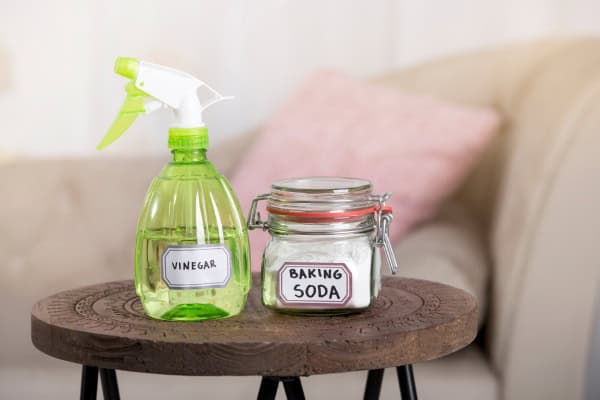
Some of the best cleaning tricks come from simple kitchen staples. Vinegar already works wonders on its own, but when paired with baking soda, it becomes a natural cleaner with even more cleaning power.
The fizzing reaction is both satisfying to watch and surprisingly effective against stubborn grime.
- For drain cleaning, start by pouring baking soda down the drain. Follow with vinegar and let the foaming action work for a few minutes. Finish by flushing with hot water to clear away grease, soap residue, and food particles.
- To scrub sinks, tubs, and tiles, sprinkle baking soda directly on the surface. Spray vinegar over it and let the bubbling mixture loosen dirt and stains before wiping with a microfiber cloth.
This duo not only gets rid of buildup but also replaces harsh chemical cleaners with an environmentally friendly solution that leaves household surfaces fresh and clean.
2. Vinegar + Lemon Juice

Vinegar gets the job done, but let’s face it, the smell is not winning any awards. Lemon brings in a fresher note. The juice lifts the scent, the peels pack an extra punch, and together they turn a basic vinegar cleaner into something you will actually enjoy using.
This mix works especially well in spaces where grease and odors tend to linger.
- Mix equal parts white vinegar and water, then add lemon juice until the scent feels right to you.
- For a more concentrated blend, let lemon peels soak in vinegar for a week before straining into a spray bottle.
- A pinch of salt gives the cleaner more grit on stains, while a drop of dish soap helps chase away grease.
- Perfect for freshening microwaves, garbage disposals, and any space that traps odors.
- On tiles, shower screens, and taps, the double acidity works against mineral deposits and soap residue.
3. Vinegar + Essential Oils
Vinegar can clean almost anything, but let’s be honest, it leaves your house smelling like a salad dressing. A few drops of essential oils fix that in seconds.
Suddenly, the same bottle that tackled grease and soap residue also makes your home smell like you meant to light a candle.
- Add extra water to soften the vinegar’s strength.
- Use lavender for a calm touch, lemon for brightness, or tea tree oil for its antibacterial qualities.
- Let citrus peels sit in vinegar for a week to create a light infusion.
- Spices such as cloves or cinnamon can add depth for a warmer note.
- The finished mix works well on surfaces and can also freshen the air.
It’s the same cleaning power, only now your home smells inviting instead of like yesterday’s chores.
4. Vinegar + Dish Soap
Some messes laugh at plain vinegar, especially the greasy kind that clings to kitchen surfaces. That is when dish soap joins the team. Together they create a cleaner that cuts through grease, disinfects household surfaces, and even tackles limescale — all while leaving behind a space that feels fresh instead of coated in residue.
- For everyday cleaning, mix 1 part dish soap with 2 parts vinegar. This ratio balances the grease-cutting strength of soap with the deodorizing, disinfecting power of vinegar.
- For tougher jobs, switch to equal parts dish soap and vinegar. The stronger mix helps break down soap residue, stains, and oily buildup.
- Use with Dawn as a shower cleaner: spray, let sit for 30 minutes, then scrub with a microfiber cloth or brush.
- Perfect for faucets, sinks, and cabinet fronts where hands leave behind oils and grime.
- Add a small amount to warm water and mop tile or vinyl floors for an effective, non-toxic floor cleaner.
It is a quick recipe that feels more like problem-solving than scrubbing.
Surfaces to Avoid When Cleaning with Vinegar
Vinegar may feel like a one-bottle wonder, but it does not play well with everything in your home. Its acetic acid concentration gives it a powerful cleaning ability, but the same quality can cause damage if used in the wrong place.
Knowing where to skip vinegar is just as important as knowing where to spray it.
- Natural stone: Marble, granite, and limestone lose their shine when exposed to vinegar. The acid can etch the surface and leave dull marks that are hard to fix.
- Waxed or hardwood floors: Unless sealed, wood can absorb vinegar, swell, or even crack. For safe results, check the manufacturer’s guidelines before using any acidic solution.
- Unsealed grout: Vinegar eats away at grout that is already damaged or unprotected, leading to faster deterioration.
- Rubber seals in appliances: Washing machines and dishwashers have seals that vinegar can weaken over time, which may cause leaks.
- Irons: Internal components corrode when exposed to vinegar, and that can ruin the device entirely.
- Electronics screens: Phones, laptops, and TVs need specialized cleaners. Vinegar can strip away protective coatings.
- Aluminum cookware and cast iron: Acid reacts with these metals, damaging both the cookware and the food cooked in it later.
- Raw eggs on surfaces: Spraying vinegar on spilled egg makes it coagulate, turning cleanup into a bigger mess instead of fixing it.
Being mindful of these surfaces means you can use vinegar as a natural cleaner with confidence, without risking damage to household items.
Long-Term Benefits of Cleaning with Vinegar
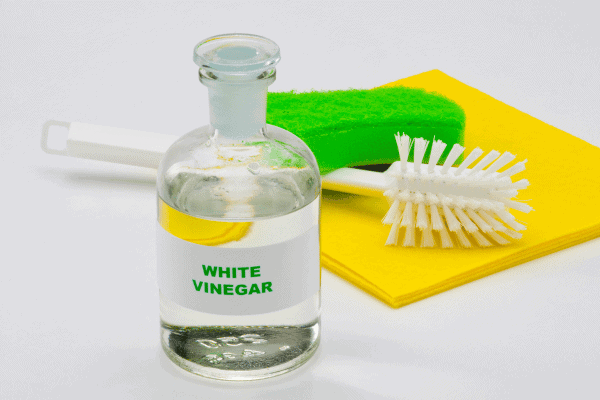
Most cleaners run out fast, cost too much, or leave you with harsh chemical smells. Vinegar does none of that. It sticks around, keeps its cleaning power, and proves that one simple liquid can outlast rows of store-bought products.
- Cost-effective. A gallon of vinegar stretches across windows, tile floors, countertops, and more. It keeps working long after pricey sprays are gone.
- Eco-friendly. Vinegar breaks down naturally, leaving no toxic chemicals behind. It keeps household surfaces clean today without adding to tomorrow’s pollution.
- Safe for kids and pets. Families with little ones or animals can rely on vinegar for daily cleaning without worrying about bleach or other harsh cleaners.
- Easy to store. Keep vinegar in a dark bottle or away from sunlight to maintain its strength for months at a time.
Over the long run, vinegar is not just a backup cleaner in the pantry. It is the steady solution that saves money, reduces waste, and keeps your home fresh without extra effort.
Make Your Home Shine, Without the Hassle
Vinegar is a clever fix for streaks, stains, and the odd spill, but some jobs demand more muscle. When buildup lingers and forgotten corners call for attention, Atlanta Maids brings the kind of deep cleaning that simple home remedies can’t match.
Our team uses commercial-grade equipment, safe cleaning products, and proven techniques to restore every space, from bathroom tiles that lost their shine to kitchen surfaces dulled by constant use.
With flexible scheduling and a trusted cleaning crew, your home gets care that feels thorough, not rushed.
Why settle for “good enough” when spotless is an option? Atlanta Maids gives you a clean that feels fresh, inviting, and ready for living. Book today or call (404) 905-5141.
FAQs
Do you need to dilute vinegar for cleaning?
Yes, in most cases, vinegar should be diluted before use. A common ratio is equal parts white vinegar and warm water in a spray bottle, which makes a safe and effective solution for household surfaces like glass, countertops, and tile floors. Using straight vinegar on certain surfaces can be too strong, especially if the acetic acid concentration is high, so dilution helps protect your home while still giving you the cleaning power you want.
Do I need to rinse after cleaning with vinegar?
Whether you rinse depends on the surface. For glass surfaces or mirrors, a wipe with a microfiber cloth is usually enough. On countertops, sinks, and other household items, rinsing with warm water ensures no vinegar smell lingers. If you use vinegar as a toilet cleaner or floor cleaner, rinsing or mopping with clean water afterward is a good step, especially if you have pets or kids who spend time on those surfaces.
Is vinegar actually a good cleaner?
Yes, vinegar is considered a highly effective natural cleaner because of its acetic acid. It disinfects non-porous surfaces, neutralizes odors, and works on grease, grime, and even hard water stains. Unlike many chemical cleaners, vinegar is non-toxic and environmentally friendly, making it a versatile liquid that can replace multiple household cleaning products. While it should not be used on natural stone or wood, vinegar is generally safe and reliable for everyday cleaning purposes.
Is vinegar good for cleaning toilets?
Vinegar makes an excellent toilet cleaner. The acidic nature of white distilled vinegar breaks down stains, eliminates soap residue, and neutralizes odors inside the bowl. For tough stains, sprinkle baking soda under the rim, spray vinegar over it, and let the fizzing mixture sit before scrubbing with a toilet brush. This natural solution disinfects, reduces chemical smells, and leaves the toilet fresh without relying on bleach or other harsh chemicals that are common in store-bought cleaners.
Can I clean my shower with white vinegar?
Yes, white vinegar works well in showers because it dissolves soap scum, removes hard water stains, and restores shine to glass surfaces. Spray diluted vinegar on shower doors, tiles, and faucets, then let it sit for 10 minutes before wiping with a microfiber cloth. For mineral buildup on showerheads, soak the fixture in a bag of vinegar overnight. Avoid using vinegar on natural stone like marble or granite, since the acid can etch the surface and cause damage.
Can you mix vinegar and baking soda?
You can mix vinegar and baking soda for cleaning, but it works best as a short-term reaction. The fizzing action is excellent for unclogging drains, scrubbing grout, or lifting grime in sinks and tubs. Pour baking soda first, then follow with vinegar, and finish by flushing with hot water. While the mixture creates carbon dioxide that helps break down dirt, once the fizzing stops, the solution is no longer active, so it is better for quick jobs rather than long-term storage.
Is it safe to mix Dawn and vinegar?
Yes, mixing Dawn dish soap and vinegar is safe and creates a powerful homemade cleaner. The soap cuts grease and oils while the vinegar disinfects, deodorizes, and removes limescale. A common ratio is one part dish soap to two parts vinegar for general cleaning, or equal parts for tougher jobs like soap residue in showers. This mixture is especially effective for sinks, faucets, and glass surfaces, making it one of the most popular DIY cleaning solutions for everyday household use.