

We all have that hidden stash of cleaning products under the kitchen sink or buried in the closet. You buy new bottles, push the old ones to the back, and forget they even exist. Before you know it, you’re surrounded by sprays and bottles that have been sitting there for years.
But do cleaning products expire, and what really happens if you keep using them long past their prime? Imagine spending the whole afternoon scrubbing every countertop and wiping every corner, only to realize your efforts fall flat. The surprising villain? Expired cleaning products that quietly lost their power over time.
In this article, you’ll find out how long most cleaning products really last, why expired bottles can be a risk to your family’s health, and smart tips to keep your home fresh and safe.
Get ready to finally check what’s hiding in your cabinet.
Do Cleaning Products Expire? The Short Answer
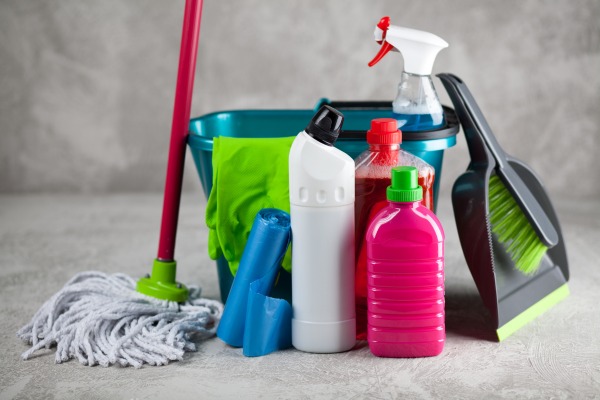
Yes, most cleaning products do expire or lose their strength after sitting around for too long. According to important information from Ohio State University, expired products may not clean surfaces properly and can even become a safety risk.
You might think a bottle of all purpose cleaner or glass cleaner from two years ago will still work just fine, but its cleaning power might already be gone.
Expiration affects more than just how well a product removes grime. It can also influence your family’s health. If a disinfectant’s active ingredients stop working, it can leave behind bacteria and viruses you wanted to eliminate.
The American Cleaning Institute explains that disinfectants have a shelf life of about one year from the manufacture date. After that, the product’s ability to kill germs starts to fade, making it less dependable.
Many household cleaners, like laundry detergent or air freshener, contain preservatives to maintain shelf life and stop microbial growth. Over time, even these preservatives can weaken, and the product might develop an unusual odor or lose its fresh scent.
An old bottle of hand sanitizer or bleach, for example, might not kill bacteria as effectively, which defeats the purpose of using them.
Relying on expired cleaning supplies can lead to hidden hygiene problems. You might spend hours wiping kitchen counters, scrubbing the bathroom, or washing dishes, but germs could still stick around.
Always check the expiration date and store cleaning products in a cool, dry place away from direct sunlight to keep them working properly. Keeping an eye on these details helps keep your home truly clean and supports a healthier environment for your family.
Typical Lifespans of Common Cleaning Products
You might be surprised to learn that your favorite spray bottle or trusted cleaner doesn’t last forever. Each product in your cabinet has its own clock ticking quietly in the background. Here’s a closer look at how long some common cleaning products typically stay effective before you should think about replacing them.
All-purpose cleaners

Shelf life: about two years
If your cleaner starts to separate, smells unusual, or feels weaker when wiping surfaces, it may have lost its cleaning power. Always check the expiration date and look for any changes in color or texture.
Disinfectant Sprays and Wipes
That bottle under your sink won’t last forever. Disinfectant sprays and wipes have a shelf life of about two years, or one year if antibacterial. After that, the active ingredients like bleach lose strength and can’t kill bacteria properly.
Check the manufacture date, store in a cool, dry place, and replace when needed to keep your home safe.
Bleach
Bleach might seem like a powerhouse that never quits, but it actually has a shorter shelf life than many people expect. Once opened, bleach stays effective for about six months. Unopened bottles can last up to one year, but even then, the cleaning power fades with time.
If not sealed and stored in a dry place away from light, bleach can lose up to 20 percent of its strength each year. Using expired products means bacteria might survive on surfaces you thought were fully disinfected.
Always check the expiration date on the label and store cleaning products properly to avoid a weaker cleaning solution. When bleach starts to smell different or feels less strong, it’s a sign to replace it and keep your home safe and healthy.
Glass and Window Cleaners
That satisfying streak-free shine on your windows doesn’t happen by accident. Glass and window cleaners usually have a shelf life of about two years, but many people forget to check.
When these cleaners expire, they might leave streaks or a cloudy film instead of that crystal-clear finish. Changes in consistency, odd smells, or reduced cleaning power are signs the product has expired.
To avoid wasting time and effort, always check the expiration date and store cleaning products in a cool, dry place. A fresh product keeps your mirrors and windows looking spotless and helps maintain a healthy home.
Laundry Detergents
Ever notice your favorite laundry detergent not tackling stains the way it used to? Liquid laundry detergents have a shelf life of about six months to one year, while powder formulas can last much longer if stored in a dry place.
When liquid detergent starts clumping, feels watery, or develops an unusual odor, those are clear signs the product has expired. Using expired cleaning products on your clothes means stains might stay put, and clothes may not feel as fresh.
Always store cleaning products away from direct sunlight and moisture to protect their cleaning power. Keeping an eye on these details helps your laundry routine stay effective and keeps your clothes looking their best.
Vinegar-Based Cleaners
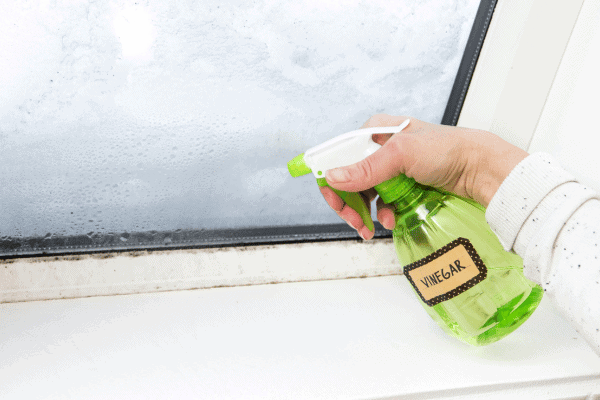
Many people love vinegar-based cleaners for their natural cleaning power, but even these deserve a second look. While pure vinegar has an almost indefinite shelf life when unopened, things change once it’s mixed with other ingredients.
When combined into a cleaning solution, vinegar can lose potency over time, making it less effective at killing bacteria and tackling tough grime. If you notice an unusual odor or weaker cleaning results, it might be time to replace it.
To keep your vinegar-based products working at their best, store cleaning products in a cool, dry place and always check the label for specific instructions. A fresh product helps you keep that clean home feeling without surprises.
Wood or Furniture Polish
That smooth, shiny finish on your furniture doesn’t last without the right support. Wood and furniture polish usually have a shelf life of about two years, but they often get overlooked in storage.
If you see the product separating, notice a change in texture, or pick up an unusual odor, it’s a clear sign the product has expired. Using expired cleaning products on wood surfaces can leave streaks or dull spots instead of a rich, polished glow.
Always check the expiration date and store cleaning products away from direct sunlight to maintain their cleaning power. Keeping polish fresh helps protect your furniture and keeps your home looking its best.
Here’s a quick look at the typical shelf life of common cleaning products to help you decide what to keep and what to replace.
| Cleaning Product | Shelf Life |
| All purpose cleaners | About 2 years |
| Disinfectant sprays & wipes | 1–2 years |
| Bleach | 6 months (opened), 1 year (unopened) |
| Glass and window cleaners | About 2 years |
| Laundry detergent (liquid) | 6 months to 1 year |
| Laundry detergent (powder) | Longer if kept dry |
| Vinegar-based cleaners | Indefinite unopened, varies when mixed |
| Wood or furniture polish | About 2 years |
| Air freshener | About 2 years (unopened) |
| Baking soda | About 2 years (unopened) |
How to Tell If a Cleaning Product Has Expired?

Spotting an expired cleaning product isn’t always as simple as checking a date. Many times, your senses give you all the clues you need.
Start by noticing any changes in color, texture, or smell. If a liquid cleaner looks cloudy, has turned lumpy, or smells off, it’s a clear sign the product has expired. Visible separation in liquids or gels also means it’s time to dispose of expired cleaning supplies.
Check the packaging for an expiration date or a “period after opening” symbol, often shown as an open jar with a number like “12M.” This helps you know how long the product stays effective after opening.
A loss of foam or lather during use can mean the active ingredients have broken down. Baking powder that doesn’t fizz in hot water or baking soda that doesn’t react in vinegar suggests it’s no longer working properly. Dryer sheets that no longer carry a fresh scent and hydrogen peroxide that doesn’t bubble when poured also show they’re past their prime.
Paying attention to these small details helps you avoid using expired cleaning products and keeps your home truly clean and safe.
Below is a quick guide to help you spot the most common signs that a cleaning product has expired.
| Sign | What It Means |
| Change in color or texture | Active ingredients have broken down, product has expired. |
| Unusual or off smell | Product is no longer effective and may be unsafe. |
| Visible separation or clumping | Formula has lost stability and cleaning power. |
| Loss of foam or lather | Ingredients can’t perform as intended. |
| Baking powder doesn’t fizz in hot water | No longer reacts, lost effectiveness. |
| Baking soda doesn’t fizz in vinegar | No longer active, needs replacing. |
| Dryer sheets lose scent | Freshening ability is gone. |
| Hydrogen peroxide doesn’t bubble | No longer able to kill bacteria properly. |
Are Expired Cleaning Products Dangerous?
Many people wonder if using expired cleaning products can make them sick right away. Most of the time, these products aren’t immediately harmful, but they often become much less effective. Surfaces might look clean and shiny, yet bacteria and other germs could still be hiding there.
Expired cleaning products usually don’t cause sudden health problems like poisoning. Instead, they leave your home vulnerable because they no longer deliver the cleaning or disinfecting power you expect. For example, bleach can lose up to 50 percent of its sanitizing strength past its shelf life, which means it might not fully kill bacteria and viruses that threaten your family’s health.
In some cases, expired products can even damage surfaces or leave behind strong, unpleasant odors. Mixing leftover products, like bleach and ammonia, can be especially dangerous and create toxic fumes that put you at serious risk.
Using fresh products and checking expiration dates helps you avoid these problems and keeps your home truly clean and safe.
How to Store Cleaning Products to Extend Their Life?
Good storage habits can make a big difference in how long your cleaning supplies stay effective. A few small changes can help protect your products and keep your home safer.
First, always keep cleaning products in a place that’s cool, dark, and dry. Heat, direct sunlight, and moisture can break down active ingredients, causing products to expire sooner and lose cleaning power.
Make sure bottles are resealed tightly after each use. This helps prevent evaporation and keeps bacteria or dust from getting inside. It’s also best to keep products in their original containers with labels intact. This way, you always know what’s inside and can easily check the expiration date or specific instructions.
Avoid storing supplies near heat sources or in closed spaces like uninsulated garages, where extreme temperatures can speed up breakdown. Check the label for any settling or changes in appearance. Some settling is normal, but if the label doesn’t mention it, it’s safer to dispose of expired cleaning products.
Quick checklist to audit your storage area:
- Are products kept away from direct sunlight?
- Are bottles sealed properly?
- Are all labels still clear and easy to read?
- Is the area dry and well-ventilated?
Eco-Friendly and Safe Disposal of Expired Cleaning Products

Cleaning out your storage and finding a bunch of expired cleaning products can feel overwhelming, but there’s no need to worry. There are plenty of safe ways to handle old bottles and keep your home and community protected.
Never pour harsh chemicals straight down the drain unless the label clearly says it’s safe. This can harm plumbing and local water systems. Instead, take expired or unused chemicals to local hazardous waste facilities or look into community collection programs and special hazardous waste drop-off days.
Some products, like gentle soaps or certain non-toxic cleaners, can be thrown out with regular trash if diluted and sealed tightly. Always check the label for disposal instructions before tossing anything.
- All purpose cleaner: If still usable, consider giving it to a friend or family member. If not needed, you can usually throw it in the trash after checking label instructions.
- Bleach: Take it to a hazardous waste facility or a local recycling center. You can also contact your local government for guidance on safe disposal.
- Carpet cleaner: Most can go in the trash if the label allows. If unopened, think about donating it to a local charity or community group.
- Glass cleaner: Generally safe to throw away, but always check the label first.
- Disinfectant wipes: Seal the package and dispose of them in the trash.
- Furniture polish: Donate unused bottles if possible. Otherwise, they can be safely thrown out.
- Air freshener: Usually fine for the trash, but confirm with label directions.
If you live in Dallas, you can take expired cleaning supplies to the Dallas County Home Chemical Collection Center for safe disposal or reuse.
Following these steps helps you safely dispose of expired cleaning products, protect your family’s health, and reduce environmental impact.
Who to Call When You Want a Truly Clean and Safe Home?
You can have the shiniest bottles and the biggest stash of supplies, but if they’re expired or not doing their job, your home might only look clean. Why stress over labels and expiration dates when you can enjoy a truly fresh, healthy space without lifting a finger?
Let Atlanta Maids handle the scrubbing, wiping, and polishing for you. Our team brings professional, detail-focused cleaning services right to your door in Atlanta, Georgia, using safe, powerful products that actually work. You’ll get more time to relax and a home that feels as clean as it looks.
Call us at (404) 905-5141 or book your cleaning online today.
Say goodbye to expired bottles and hello to that fresh, spotless feeling every time you walk through the door.
FAQs
Can you use expired cleaning products?
You can use expired cleaning products, but they often lose cleaning power and become less effective at killing bacteria. While most expired products won’t cause direct harm, they can leave behind germs and reduce your home’s overall cleanliness. Always check the expiration date or manufacture date on the bottle and look for changes in color or smell. Using a fresh product helps maintain a truly healthy home and prevents microbial growth on surfaces.
How long should you keep cleaning supplies?
Most cleaning products typically last one to two years, depending on the type and how they’re stored. For example, all purpose cleaners and glass cleaners usually have a shelf life of about two years, while bleach loses strength after six months once opened. Always store cleaning supplies in a cool, dry place away from direct sunlight to keep them effective longer. Checking the label regularly ensures you replace products before they expire and lose their cleaning power.
Is it harmful to use expired products?
Using expired cleaning products isn’t usually immediately dangerous, but it can put your family’s health at risk over time. Expired disinfectants, for instance, may not kill bacteria as intended, leaving surfaces unsafe even if they look clean. Bleach can lose up to 50 percent of its sanitizing power, making it unreliable for serious cleaning jobs. It’s always better to safely dispose of expired cleaning supplies and replace them with a fresh product to protect your home.