

Your shower should feel like a reset button, not a guessing game of which nozzle still works. When water sprays sideways or trickles instead of flowing, it’s usually your shower head crying out for help. Mineral deposits, limescale, and even hidden mold collect fast, especially if your house has hard water.
What’s worse is that these blockages don’t just mess with water pressure. The warm, damp interior of a shower head makes a perfect hiding place for bacteria, some of which have been linked to long-term respiratory concerns.
Keeping your shower head clean doesn’t require fancy products or expensive tools. Sometimes the best bathroom rescue comes in a bottle you usually pair with Salad, not faucets.
What You’ll Need for Shower Head Cleaning?
When it comes to cleaning a shower head, the right supplies can make the process simple and mess-free. Most of these items are probably already in your home, and each one serves a purpose that makes the job easier and more effective.
Here’s what you’ll want to have ready before you start:
- White distilled vinegar – The star of the show. Its natural acidity breaks down mineral deposits and stubborn limescale without harsh chemicals.
- Baking soda – An optional booster that adds gentle scrubbing power while helping neutralize odors.
- Plastic bag – A must if your shower head is fixed in place, allowing you to soak it completely in vinegar.
- Rubber bands or twist ties – Secure the vinegar-filled bag tightly around the shower head so nothing leaks out.
- Toothbrush or soft-bristle brush – Perfect for scrubbing nozzles, crevices, and spots where buildup tends to collect.
- Toothpick or safety pin – Handy for poking through clogged nozzles if water flow is blocked.
- Bucket or bowl – Needed if you’re removing a detachable shower head for soaking.
- Wrench or pliers (wrapped with a rag) – Useful for loosening the fixture without scratching the metal.
- Old towel or rag – Place it beneath your work area to catch drips and protect bathroom surfaces.
- Gloves – Optional but helpful for those with sensitive skin or who want to avoid vinegar smell on their hands.
3 Vinegar-Based Methods to Clean a Shower Head
1. Soak In-Place (For Fixed Shower Heads)

Sometimes the simplest tricks are the most effective, and cleaning a shower head is no different. If yours is fixed to the wall, you don’t need to wrestle with tools or uninstall anything.
All you need is a plastic bag, a little vinegar, and some patience to bring back that strong, even spray. How to do it right:
- Fill a plastic bag halfway with white vinegar, making sure there’s enough to completely cover the shower head.
- Slide the bag carefully over the head and secure it with a rubber band or twist tie so it stays in place.
- Let it sit and soak for 8 to 12 hours, or overnight for stubborn mineral buildup.
- Remove the bag and use an old toothbrush dipped in dry baking soda to scrub away any remaining deposits, paying close attention to the nozzles.
- Turn on the hot water and let it run to flush out residue, sending loosened minerals down the drain.
If your shower head is brass, gold, or nickel-plated, skip this method. Vinegar can be too harsh on delicate finishes.
2. Remove and Soak in a Bowl (For Detachable Heads)

When soaking a fixed head isn’t enough, sometimes you need to take things apart for a deeper clean. Detachable shower heads give you more control, allowing every crevice to be submerged and scrubbed until it looks and works like new.
If your water flow has been sluggish for a while or mineral buildup looks severe, this method is worth the extra effort.
- Loosen the shower head using a wrench, wrapping the tool with a towel to keep the metal scratch-free.
- Once removed, take out the filter screen inside the head with needle-nose pliers. Rinse it under running water, or use a small cleaning brush with dish soap for sticky debris.
- Place the shower head in a bowl of white vinegar until it is completely submerged.
- Allow it to soak for 6 to 12 hours, then scrub with an old toothbrush and rinse thoroughly with warm water.
- Reattach the head, tighten carefully, and run hot water through the fixture to flush away loosened deposits.
3. Vinegar + Baking Soda Foam Scrub
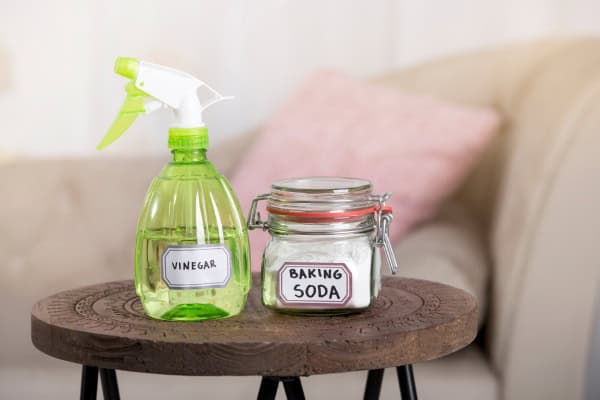
When mineral buildup refuses to budge, you need more than a soak. That’s when vinegar teams up with baking soda for a fizzy clean that feels almost too easy.
The foam seeps into clogged nozzles and stubborn limescale, lifting away what water pressure alone can’t fix.
- Mix baking soda with a splash of water until it forms a thick paste.
- Spread the paste across the shower head and let it rest for 15 to 30 minutes.
- Pour vinegar over the surface and watch the fizz go to work.
- Scrub with a toothbrush, rinse thoroughly, and let hot water run through the nozzles.
Works best on stainless steel or plastic shower heads, though it’s smart to test a hidden spot first.
Post-Cleaning Maintenance Tips
Once the hard work is done, a little upkeep keeps your shower head from sliding back into grime territory. Consider these your shortcuts to a cleaner, longer-lasting shine.
- Give it a weekly flush. Let hot water blast through the nozzles for a minute or two to wash away light buildup before it turns stubborn.
- Do a monthly vinegar wipe. A quick rub with vinegar keeps limescale from settling in and restores shine.
- Soften your water if needed. A small filter can cut down on mineral deposits, especially if your house deals with hard water.
- Choose materials wisely. Metal shower heads resist mold better than plastic, making them easier to keep clean long-term.
- Skip the bleach. It corrodes parts and reacts badly with vinegar, so stick to gentler cleaners.
- Control the humidity. Run your bathroom fan before and after showers to keep moisture low and mildew from moving in.
Don’t Let Grime Steal Your Shower Time
A shower should feel like the best part of your routine, not a reminder that your shower head is losing the fight against mineral deposits. When nozzles clog and water sprays in all the wrong directions, your bathroom feels less like a retreat and more like a chore.
A regular deep clean not only restores strong water pressure but also protects your fixture from long-term damage while keeping germs and limescale from sneaking back in.
Of course, finding the time to soak, scrub, and polish isn’t always realistic. That’s why Atlanta Maids offers more than just a quick wipe-down. Our professional cleaning crew handles the details most people overlook, from shower heads and tile grout to fixtures that collect stubborn buildup.
Skip the vinegar bag routine and reclaim your shower time. Book your professional cleaning today or call (404) 905-5141. Atlanta Maids will bring the sparkle back to your bathroom so you can enjoy a refreshing shower without lifting a finger.
FAQs
How long should you soak a shower head in vinegar?
Soaking a shower head in white vinegar for 6 to 12 hours works best, especially if you are dealing with stubborn limescale or heavy mineral buildup from hard water. For lighter deposits, a quick 1 to 2-hour soak may be enough to restore water flow. Leaving it overnight ensures the vinegar has time to dissolve clogged nozzles, making the spray stronger and cleaner without the need for harsh scrubbing.
What is the best way to clean a shower head?
The most effective method to clean a shower head is to submerge it in white vinegar and allow it to soak, then gently scrub the nozzles with a toothbrush or soft cloth to remove leftover residue. For a detachable head, placing it in a bowl or bucket filled with vinegar gives a deeper clean. This approach dissolves mineral buildup, restores pressure, and helps maintain hygiene in your bathroom.
Can I mix baking soda and vinegar to clean a shower head?
Yes, mixing baking soda and vinegar is a great option when mineral deposits are stubborn. The fizzing reaction created by this combination breaks down scale and helps lift grime off the shower head. Applying a baking soda paste to the surface before spraying vinegar over it allows the foam to work into the nozzles, making it easier to scrub and rinse. This method works especially well for stainless steel or plastic heads.
What does vinegar do to a shower head?
Vinegar is acidic, which makes it highly effective at dissolving calcium, limescale, and other mineral deposits that collect inside most shower heads. Beyond tackling buildup, vinegar also reduces bacteria growth and removes odors, leaving the fixture more hygienic. Unlike harsh chemicals or bleach, vinegar is safe for most materials and won’t damage the finish when used properly, making it a trusted solution for routine bathroom cleaning.
Is it better to soak or scrub a shower head?
Soaking a shower head is generally the smarter choice, as it allows vinegar to work through internal mineral buildup and clogged nozzles without damaging the surface. Scrubbing with a toothbrush or a cleaning cloth is helpful for visible dirt, mold spots, or limescale on the exterior. A combination of both methods often gives the best results, with soaking tackling the inside and scrubbing polishing the outside.